The Vital Role of Art Education
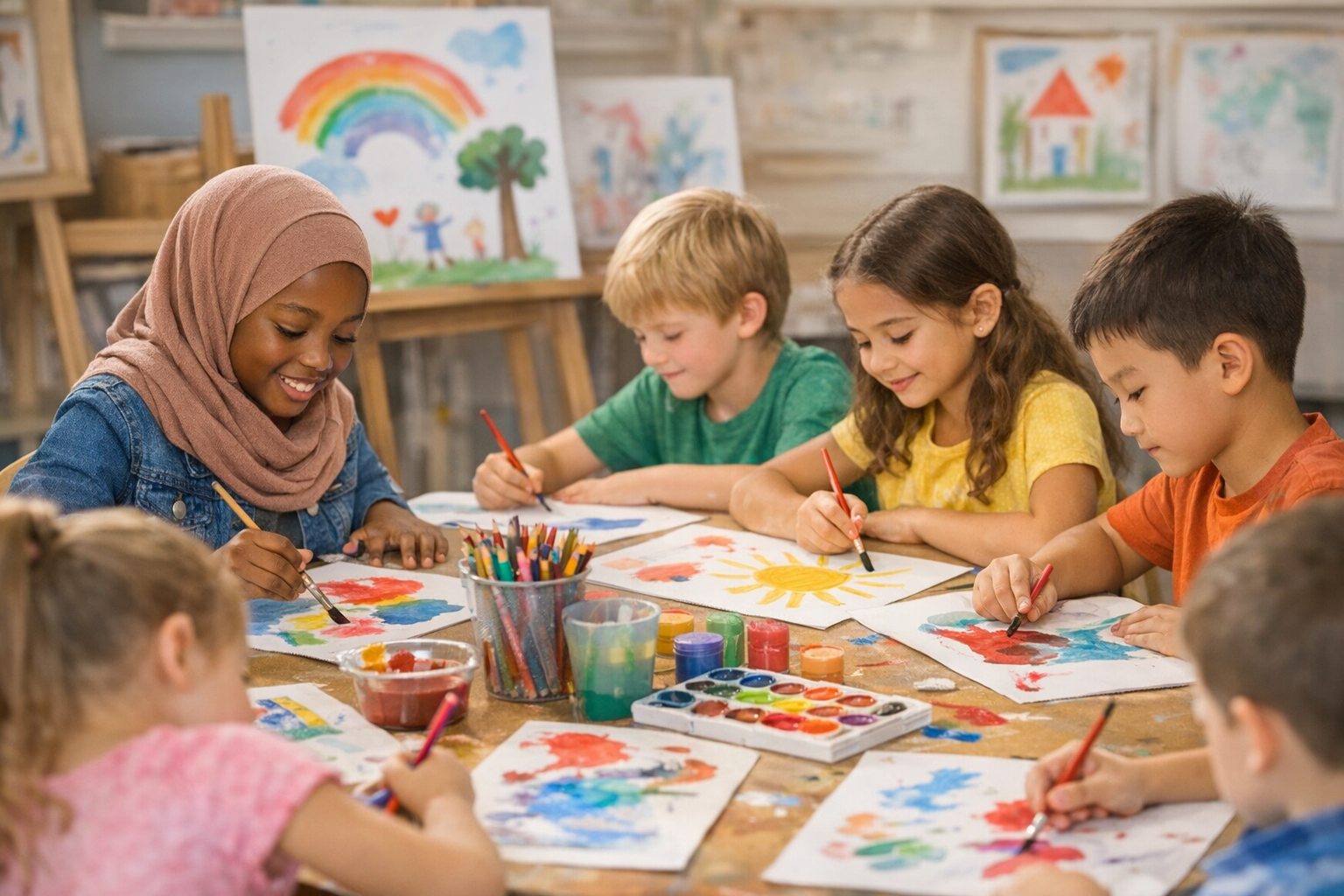
Before children can read or write, they draw. With a crayon in hand, they build entire worlds from imagination, long before they have the language to describe them. Yet adults often dismiss this early creativity as simple play. As Mr. Rogers reminded us, “play is the work of childhood,” and art is one of the most essential forms of that work.
The National Endowment for the Arts’ 2025 report reinforces what decades of research have shown: arts education is closely linked to stronger academic outcomes and healthier social‑emotional development. One of the largest studies to date—Houston’s Arts Access Initiative—expanded music, theater, dance, and visual arts programs in elementary and middle schools, particularly those serving low‑income communities. The results were striking: writing scores rose, disciplinary incidents fell by 3.6%, and there was no decline in math or reading performance. In other words, the arts don’t take time away from academics—they strengthen them. The program’s success was rooted in partnerships with community arts organizations that provided performances, field trips, and artist residencies.
But when school districts face budget shortfalls, arts education is often the first to disappear. Not because anyone believes it is unimportant, but because districts must protect what is legally required: teacher salaries, transportation, special education, and mandated academic interventions. Arts programs—despite their proven benefits—are not protected by statute.
This reality hits low‑income students the hardest. Families without discretionary income for private lessons or enrichment programs rely on schools to provide creative opportunities. When those programs vanish, so does a vital pathway to expression, confidence, and belonging.